
Reduced Synthetic Nitrogen
+ Plant Stimulation
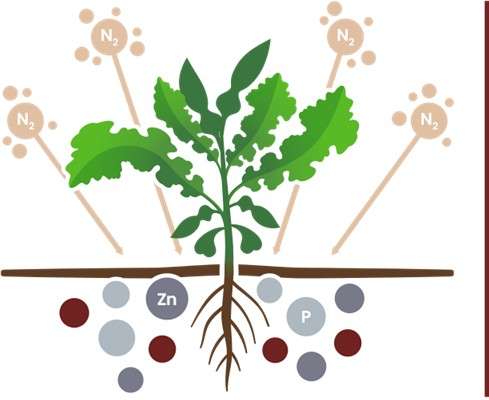
– REDUCED SYNTHETIC NITROGEN
– IMPROVED NUTRIENT AVAILABILITY
– BETTER YIELDS.
AL-Bio21 is a proprietary strain of the bacteria Azospirillum lipoferum. It was developed by the A&L Biological group after years of research, identifying key organisms associated with highly productive agricultural ecosystems.
The unique features of AL-Bio 21 stimulate growth in a wide variety of crops including corn, wheat, and soybeans.
Bio 21 allows plants to draw nitrogen from air & soil reducing the need for synthetic nitrogen.
Dr. Hungria wins the 2025 World Food Prize for her work developing microbial inoculants.
Brazilian farmers were estimated to have saved up to $40 billion annually in input costs due to the technologies Hungria developed. Her work focused on biological nitrogen fixation, a natural process in which naturally occurring microorganisms convert atmospheric nitrogen into forms plant roots can absorb from soil, reducing the need for synthetic fertilisers.
Nitrogen is key for plant growth and Hungria harnessed bacteria and other microorganisms to supply it naturally. Through a process known as biological nitrogen fixation, crops form a mutually beneficial relationship with soil bacteria that provide them with nitrogen. This approach not only reduced the environmental impact of agriculture but also lessened farmers’ dependence on chemical fertilisers.
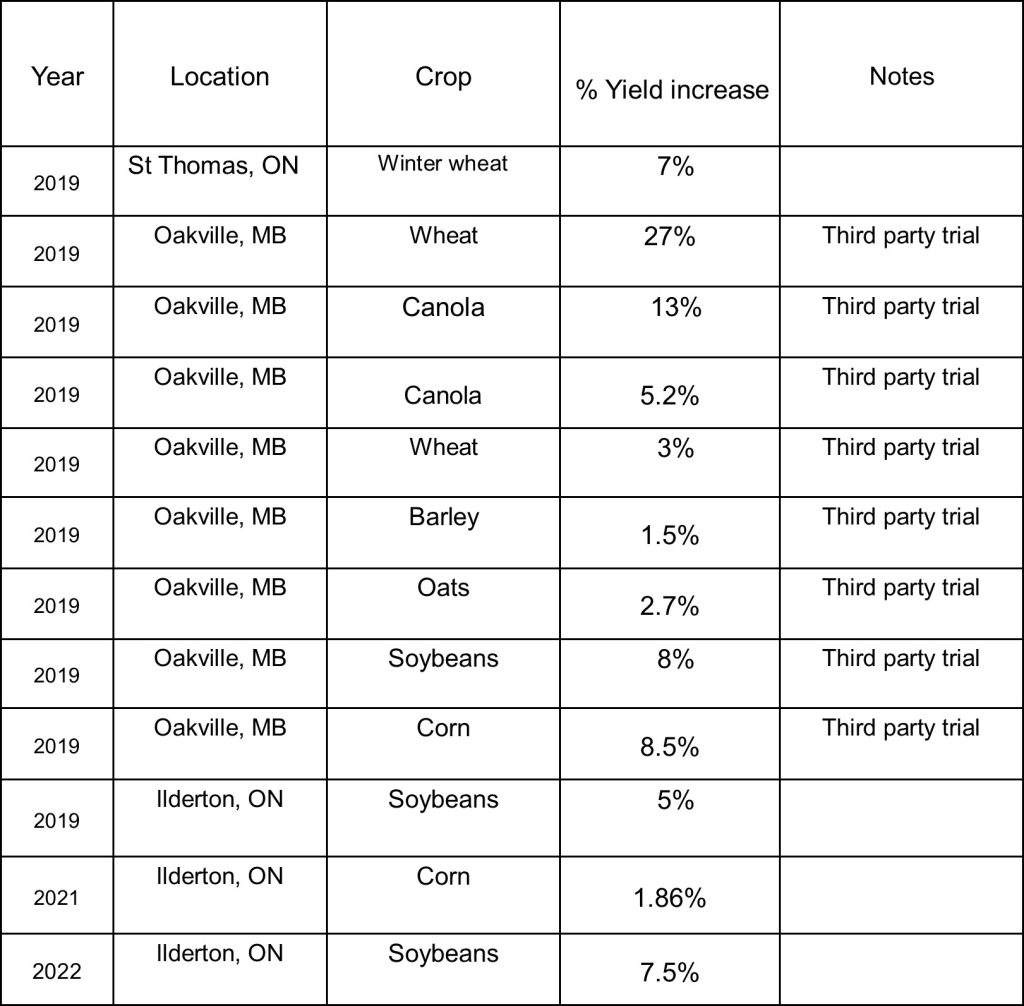
Bio 21 Trials
Azospirillum Lipoferum
Azospirillum lipoferum is defined as a species of plant growth-promoting rhizobacteria (PGPR) that enhances plant growth by fixing nitrogen and synthesizing phytohormones such as auxins, gibberellins, and cytokinins, which contribute to increased nutrient availability and stress tolerance in plants.
This group of organisms belongs to the family Spirilaceae, and they are heterotrophic in nature. Besides their capability of nitrogen fixation of about 20–40 kg ha− 1, they also produce some growth-regulating substances (Dobbelaere et al., 2002). Although there are many species under this genus but inoculation have been proved mainly with the Azospirillum lipoferum and Azospirillum brasilense. Azospirillum form symbiotic associations with some C4 plants (maize, sorghum, and sugarcane) (Arun, 2007).
Overview of Drought Stress and Plant Response
- Drought is a major abiotic stress impairing crop growth and productivity worldwide, especially affecting wheat, with anticipated increased severity by 2050.
- It causes physiological and morphological changes such as reduced water potential, turgor, photosynthesis, and growth traits, along with cell membrane damage and oxidative stress due to reactive oxygen species (ROS) accumulation.
- Plants respond by activating antioxidant defense systems, including enzymes like superoxide dismutase (SOD) and peroxidase (POX), and accumulating compatible solutes such as proline, soluble carbohydrates, and proteins to protect cellular structures and maintain osmotic balance.
Role of Microorganisms and Azospirillum lipoferum
- Microbial inoculants, particularly plant growth-promoting rhizobacteria (PGPR) like Azospirillum spp., can enhance plant tolerance to drought by producing growth hormones (e.g., auxins), fixing nitrogen, promoting root development, and controlling pathogens.
- Azospirillum lipoferum is noted for its ability to produce plant hormones and improve nutrient uptake, thus helping plants cope with water deficits.
Experimental Approach
- The study involved two pot experiments with wheat cv. Giza 168, inoculating seeds with A. lipoferum N040 or leaving them uninoculated, under well-watered (100% evapotranspiration) and drought-stressed (60% ETc) conditions.
- Drought stress was applied after 30 days, with measurements taken at 90 and 130 days for growth traits, yield components, biochemical parameters, grain anatomy, and antioxidant enzyme activities.
- Anatomical studies involved microscopic analysis of grain structure, and biochemical assays measured pigments, osmolytes, phenols, water content, membrane permeability, and enzyme activities.
Main Findings
- Drought stress significantly reduced wheat growth parameters, including shoot length, tiller number, leaf area, spike length, spikelets, root and shoot biomass, grain yield, and kernel weight.
- Inoculation with A. lipoferum improved growth and yield traits under both water conditions, with notable alleviation of drought-induced reductions. Inoculated plants showed higher shoot length, tiller number, leaf area, spike and grain weights, and root biomass.
- Drought decreased photosynthetic pigments (chlorophylls and carotenoids), but inoculation mitigated these declines, maintaining higher pigment levels.
- Drought increased osmolytes (proline, soluble proteins, carbohydrates), likely as stress responses; inoculation reduced these levels under drought, indicating less stress perception.
- Grain anatomy was adversely affected by drought, with reductions in grain size, endosperm, pericarp, and aleurone layer thickness; inoculation helped preserve or improve these structures.
- Water status indicators showed drought decreased relative water content (RWC) and increased membrane permeability (RMP), but A. lipoferum inoculation maintained RWC and reduced membrane damage.
- Biochemically, drought increased antioxidant enzyme activities (SOD, POX) and phenol content, with inoculation further enhancing these defenses, suggesting improved oxidative stress mitigation.
- Overall, inoculation with A. lipoferum enhanced the plant’s antioxidant system, stabilized cellular membranes, and improved water retention, leading to better growth, yield, and grain quality under drought conditions.
Conclusions
- A. lipoferum inoculation effectively boosts antioxidant enzyme activities and non-enzymatic antioxidants, reducing oxidative damage caused by drought.
- It promotes better water retention, preserves grain structure, and enhances growth and productivity, indicating its potential as a biological tool for drought tolerance in wheat.
- The study underscores the importance of PGPR like Azospirillum spp. in sustainable agriculture, especially under water-limited environments, by improving plant resilience through biochemical and anatomical modifications.