
Application Prepared for Greenhouse Trials by A&L Biological: Innovative Solutions for Pythium, Fusarium, and Mites
Introduction
In the ever-evolving world of agriculture, the fight against plant pathogens and pests has taken on new significance. A&L Biological, a leader in agricultural solutions, has been at the forefront of this battle, conducting extensive greenhouse trials to assess the efficacy of novel biocontrol products. This article delves into the groundbreaking trials readied by A&L Biological to curb the devastating effects of Pythium and Fusarium, as well as combating mites.
Understanding the Threats: Pythium, Fusarium, Mites
Before exploring the trials, it’s crucial to understand the pests and pathogens A&L Biological is targeting:
Pythium
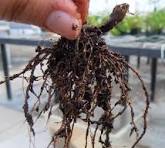 Pythium species are notorious soil-borne pathogens causing root rot and damping-off diseases in a variety of crops. These pathogens thrive in wet conditions, leading to significant crop losses and economic impact for farmers.
Fusarium
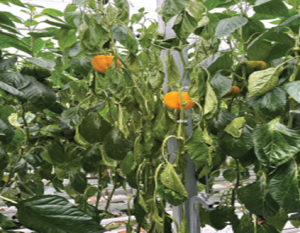 Fusarium are fungal pathogens that cause wilting, root rot, and other diseases in numerous plants. They can persist in the soil and affect crops season after season, making them a persistent threat to agricultural productivity.
Fusarium affects crops over multiple seasons primarily through its ability to persist in the soil and produce resistant spores. Here’s how this pathogen impacts crops long-term:
- Soil Persistence: Fusarium species can survive in the soil as spores or in decaying plant material. This means that even when crops are rotated or removed, the pathogen can remain viable in the soil, ready to infect future crops.
- Infection Mechanism: When susceptible crops are planted in contaminated soil, Fusarium can infect the roots, leading to diseases such as crown rot or root rot. This reduces the plant’s ability to absorb nutrients and water, ultimately weakening or killing the plants.
- Crop Stress and Yield Loss: Infected plants experience stress, which can lead to wilting, stunted growth, and reduced yields. The presence of Fusarium can significantly lower crop quality and quantity over time, impacting overall agricultural productivity.
- Disease Cycling: The presence of Fusarium in the soil can create a cycle of disease re-emergence, particularly if susceptible crops are repeatedly grown in the same field. This makes it challenging for farmers to manage the effects of the pathogen effectively.
- Colony Formation: Some Fusarium species can form colonies in the roots of plants, leading to vascular disease. These colonies can further spread within the plant, causing systemic infections that are even more difficult to manage.
In summary, the long-term survival and aggressive nature of Fusarium enable it to affect crops across multiple seasons, posing significant challenges for farmers trying to maintain healthy and productive fields.
Mites
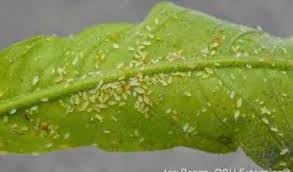 Mites are small, sap-sucking pests that can rapidly proliferate and cause severe damage to plants. Their feeding can lead to yellowing leaves, stunted growth, and in extreme infestations, plant death.
A&L Biological’s Innovative Approach
To address these challenges, A&L Biological has prepared rigorous greenhouse trials to evaluate the effectiveness of various biocontrol products. The trials will focus on natural solutions that minimize chemical inputs while providing robust protection against these formidable threats.
Trial Methodology
The methodology for these greenhouse trials will involve several key steps:
- Selection of Products: A&L Biological selected a range of biocontrol agents, from it’s own library of hundreds of beneficial microbes targeting Pythium, Fusarium, and mites.
- Experimental Design: The trials will be conducted using controlled environments to ensure consistency. Different treatments will be replicated across multiple plots to assess efficacy accurately.
- Monitoring and Data Collection: Throughout the trials, researchers will monitor plant health, disease incidence, and pest populations. Data collection will include visual assessments and quantitative measurements.
- Analysis of Results: After the trials, data will be analyzed to determine the effectiveness of each product, enabling researchers to identify the most promising solutions.
Results and Findings
The greenhouse trials to be conducted by A&L Biological will yield promising results:
Effective Control of Pythium and Fusarium
The trials are expected to demonstrate that specific biocontrol products significantly reduce the incidence of Pythium and Fusarium in treated plants. The use of beneficial microbes should help enhance root health and improved plant resilience against these pathogens.
Reduction of Mite Populations
In addressing mite infestations, certain biocontrol agents should prove effective in reducing mite populations. It is expected that formulations targeting mites will show a remarkable decrease in their numbers, leading to healthier plants and improved yields.
Soil Health Improvements
An unexpected yet welcome outcome of the trials should be a noticeable improvement in soil health. The application of biocontrol agents will not only target the pathogens and pests but also positively influence the microbial diversity in the soil, promoting a more balanced ecosystem.
Conclusion
The greenhouse trials to be conducted by A&L Biological should showcase the potential of innovative biocontrol products in the fight against Pythium, Fusarium, and mites. As agricultural practices shift towards sustainable solutions, the findings from these trials will highlight the importance of harnessing nature’s tools for crop protection.
By investing in research and development of biocontrol methods, A&L Biological not only supports farmers in managing pests and diseases but also contributes to the broader goal of sustainable agriculture. As these products move closer to commercial availability, the future of crop management looks promising, offering hope for healthier plants and more productive agricultural systems.
For more information on A&L Biological’s innovative solutions and ongoing research, visit our website and stay updated on agricultural advancements that benefit both growers and the ecosystem.